Moon Robots, Dino Detectives, and a Nature Promise
Pre-Watch Hook
"How do we learn about places or animals we can’t easily study up close—like the Moon, dinosaurs, or rainforest wildlife—and what kinds of clues would we need? "
Ask the class before hitting play to activate prior knowledge.
Main Takeaway
"Science helps us learn by collecting evidence—through experiments, fossils, and nature studies—so we can make smarter choices about exploration and protecting living things."
payloads
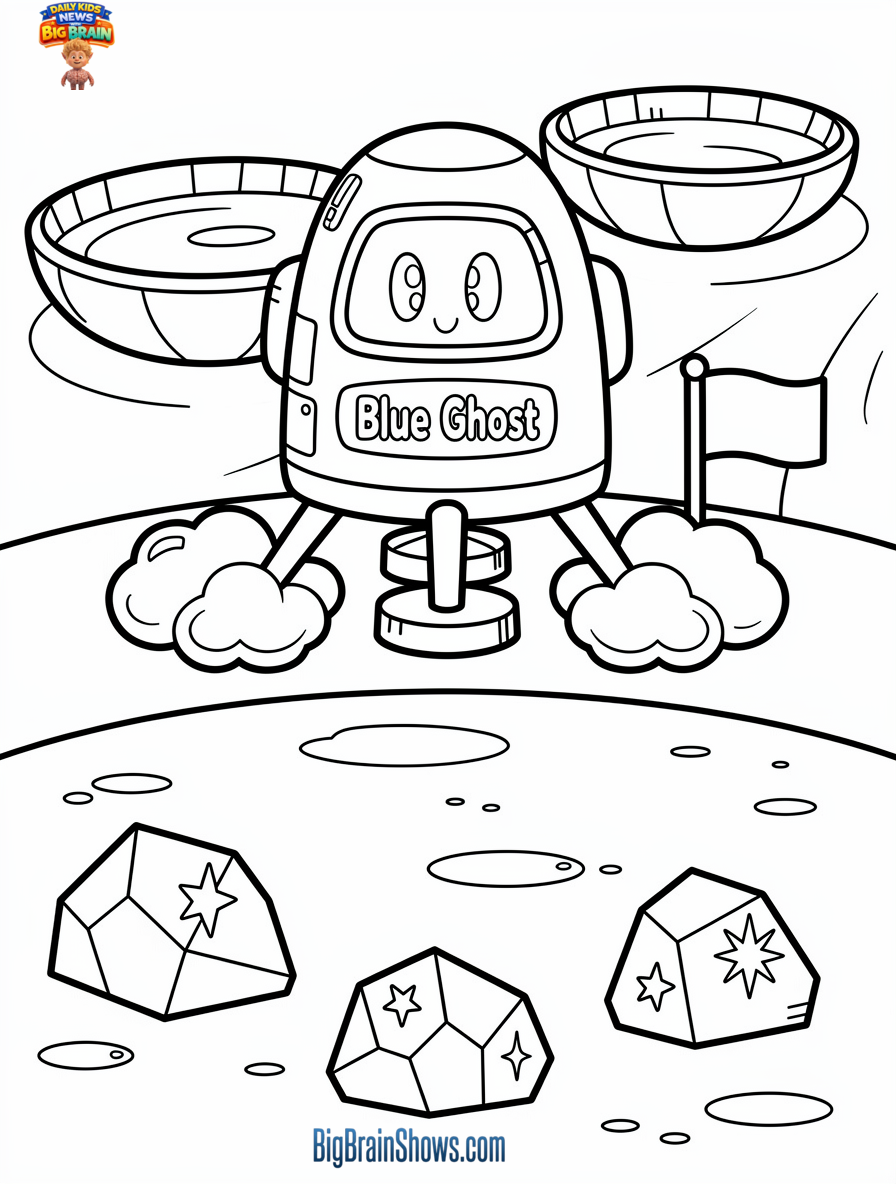
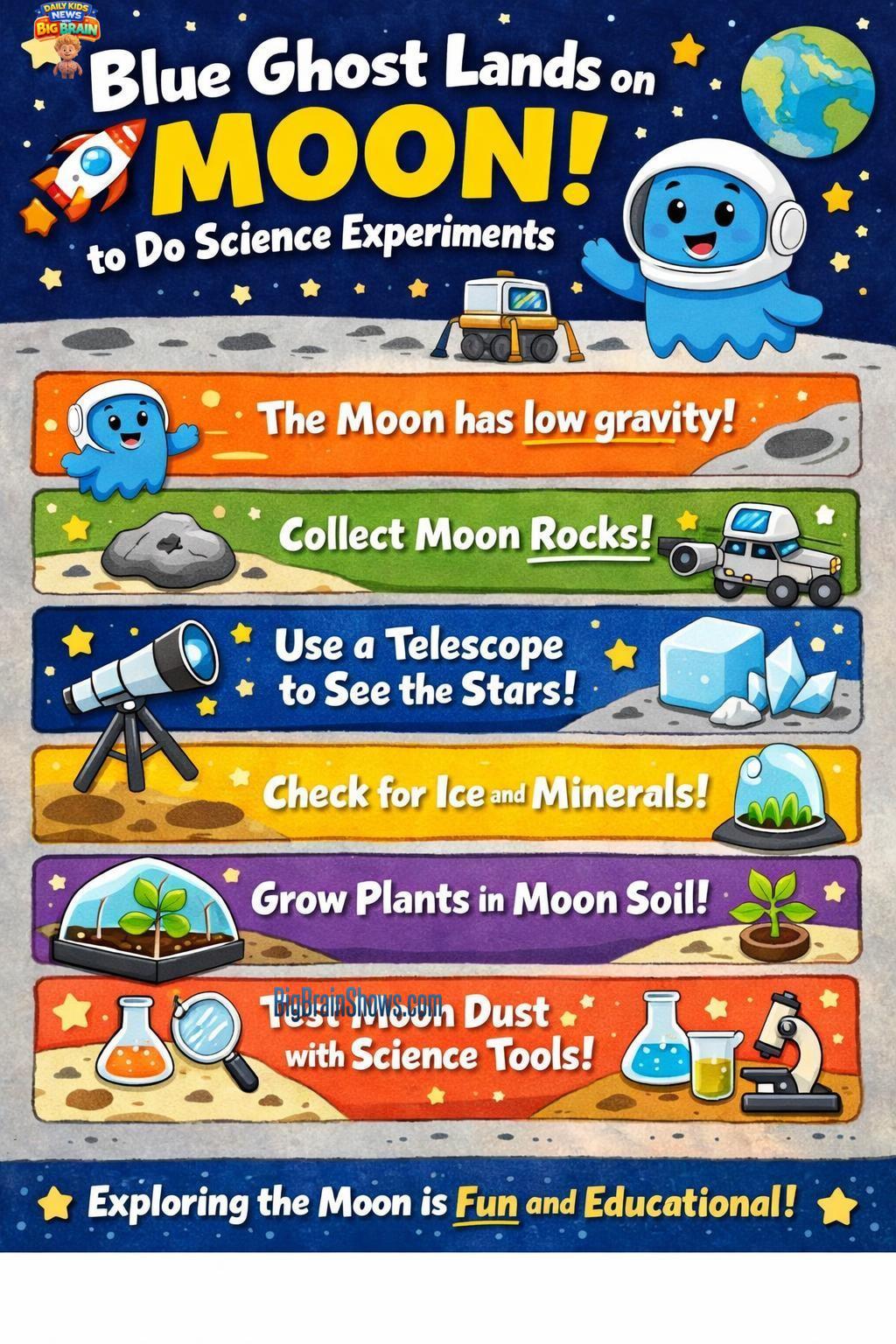
Definition: Tools or equipment that a spacecraft carries to do a job.
environment
Definition: The conditions around something, like the air, temperature, and space it is in.
fossils
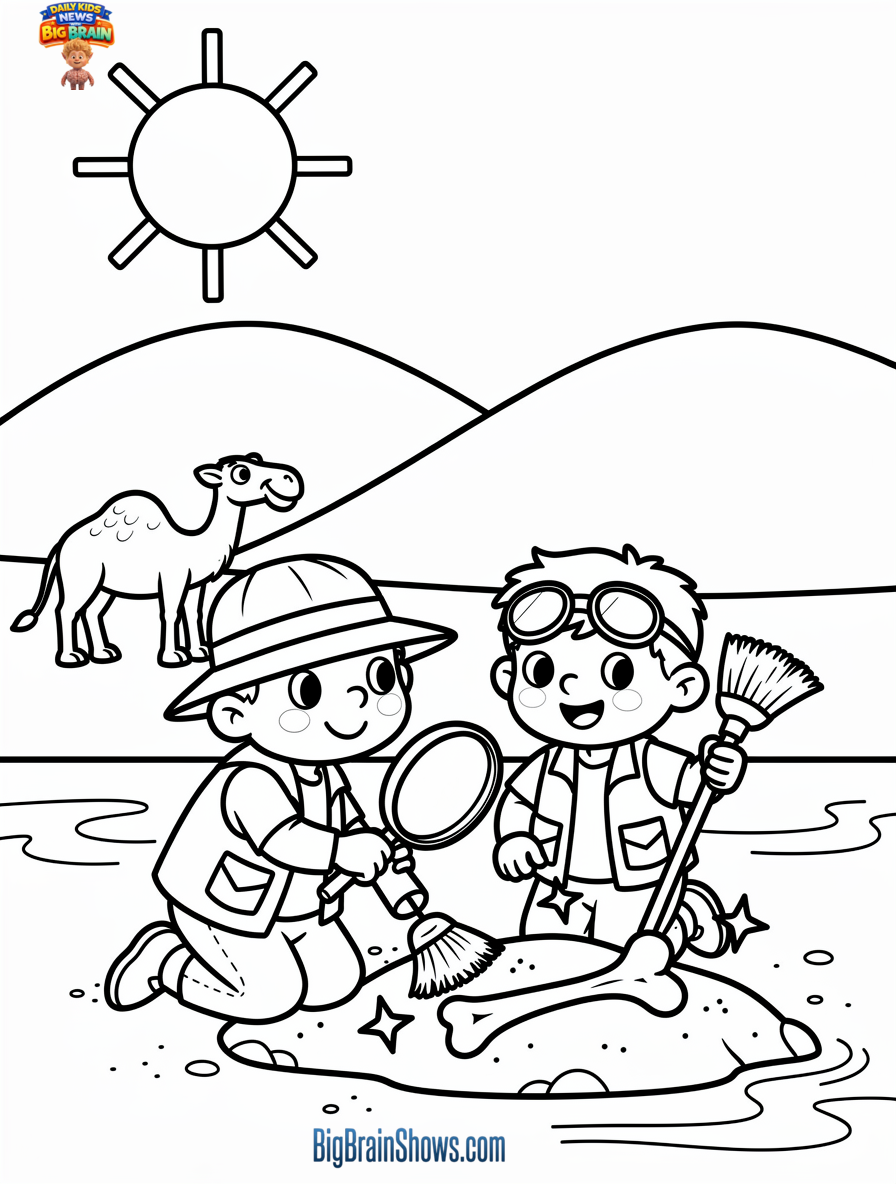
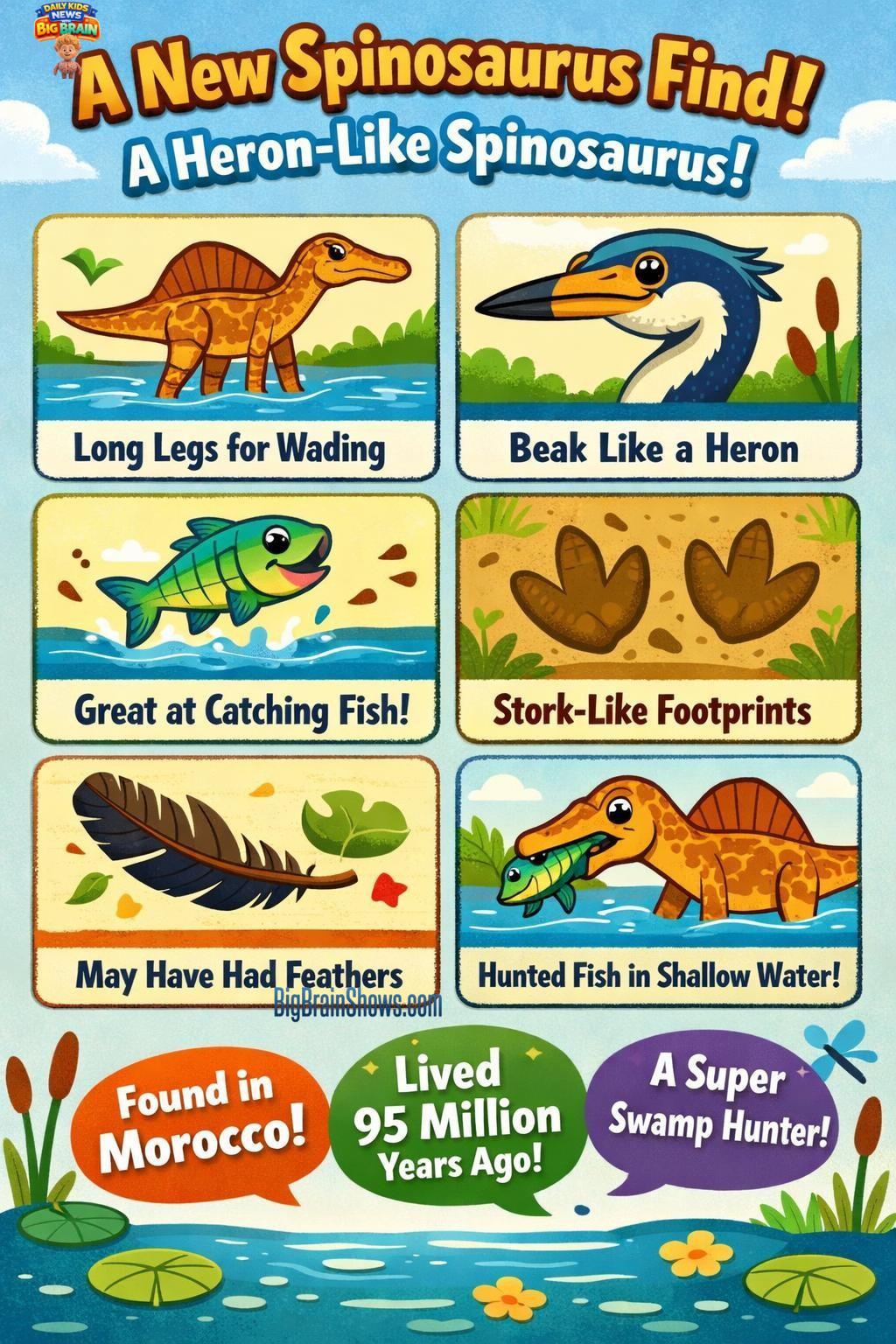
Definition: Old remains or traces of living things that turn into rock over a very long time.
ecosystem
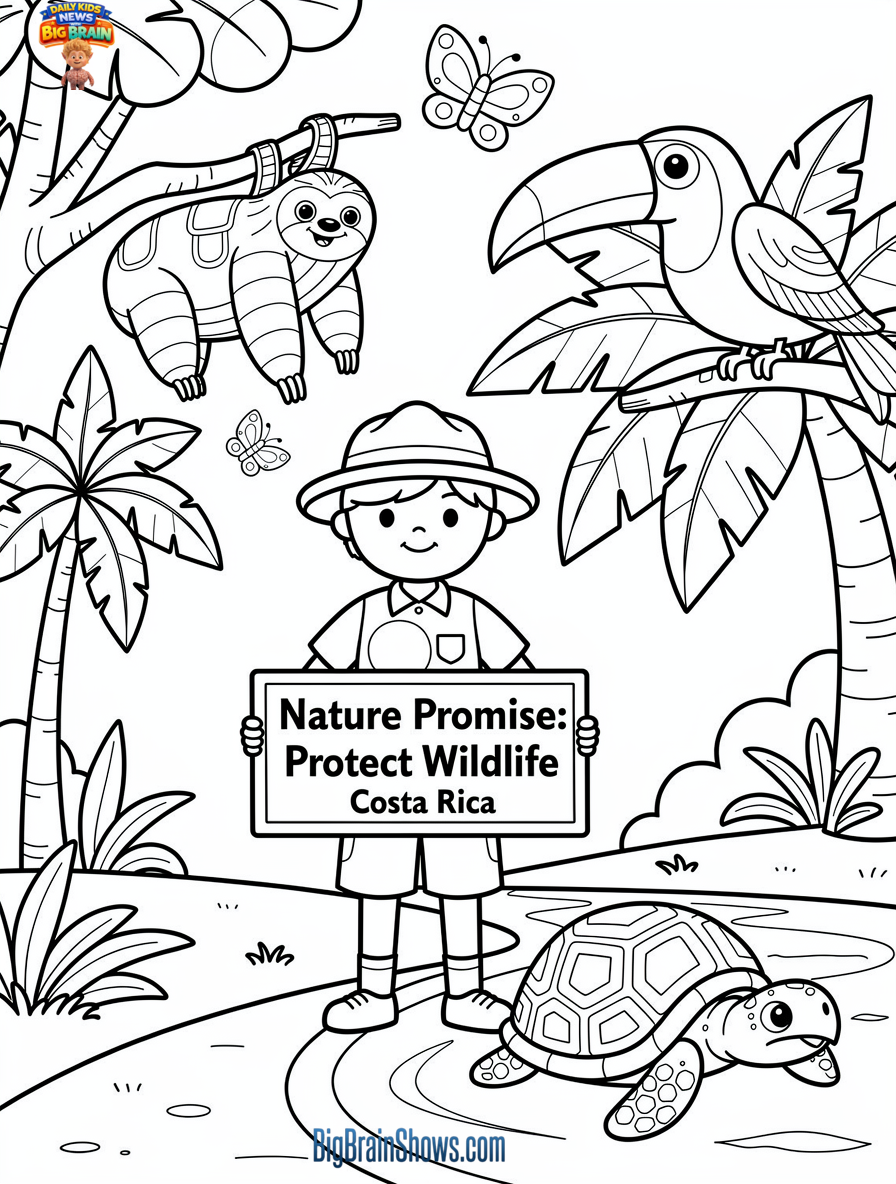
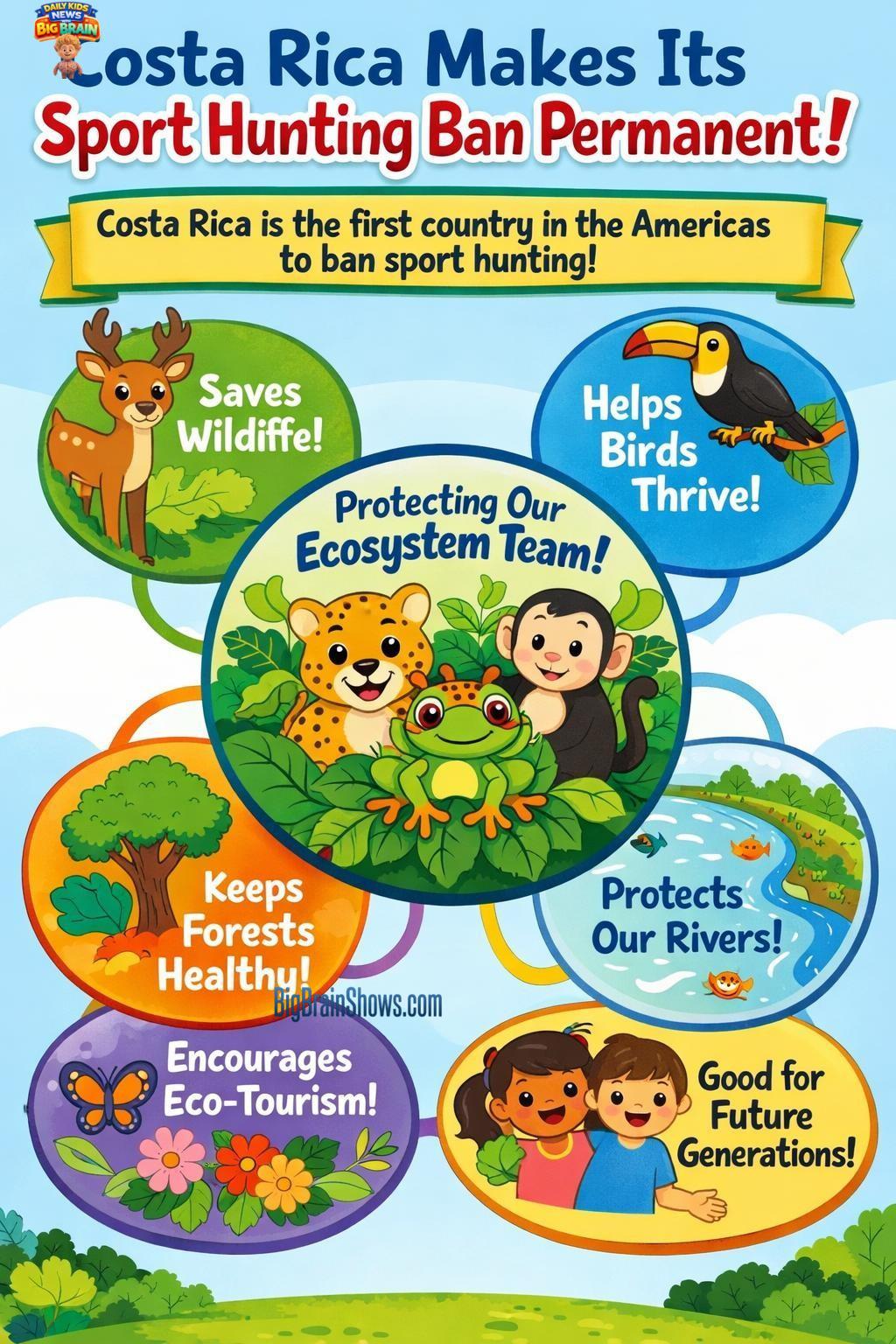
Definition: A community of living things and their home area that work together like a team.