Flowers, Rockets, and One Hour of Time Travel! - Big Brain Shows
Daily Kids News with Big Brain
Episode 21 March 9, 2026 5:04

Flowers, Rockets, and One Hour of Time Travel!

In this episode, kids learn what “spring forward” really means and how a one-hour clock change can affect our body’s sleep clock. We also visit a giant indoor flower show to explore roots, leaves, and pollinators like bees and butterflies. Then we look up to space to see how rockets launch satellites that can help share internet signals to faraway places.

🧠 Love this episode? Get new ones in your inbox!

📺 Stories in This Episode
🗣️ Talk About It

  • 1

    What’s one place you’d like to have better internet, and why?

  • 2

    If you could design a garden theme, what would it be?

📜 Read Full Episode Script

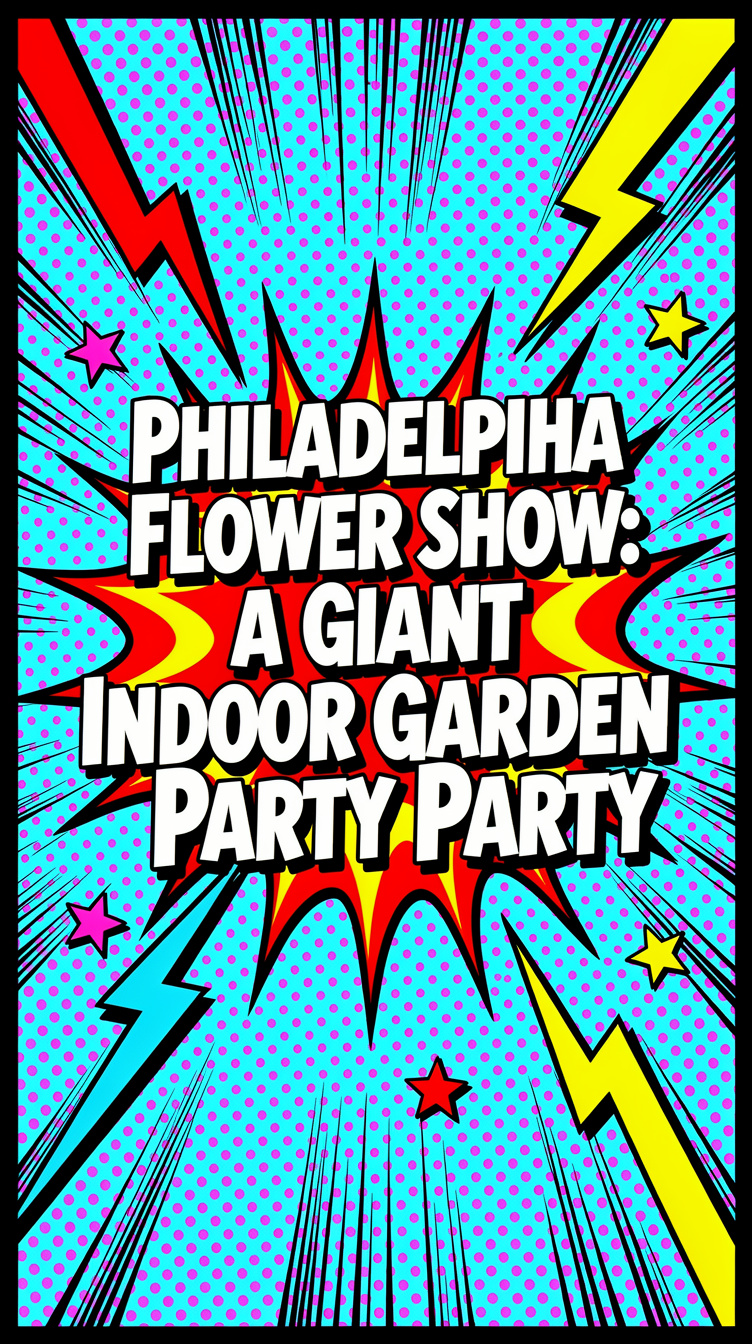
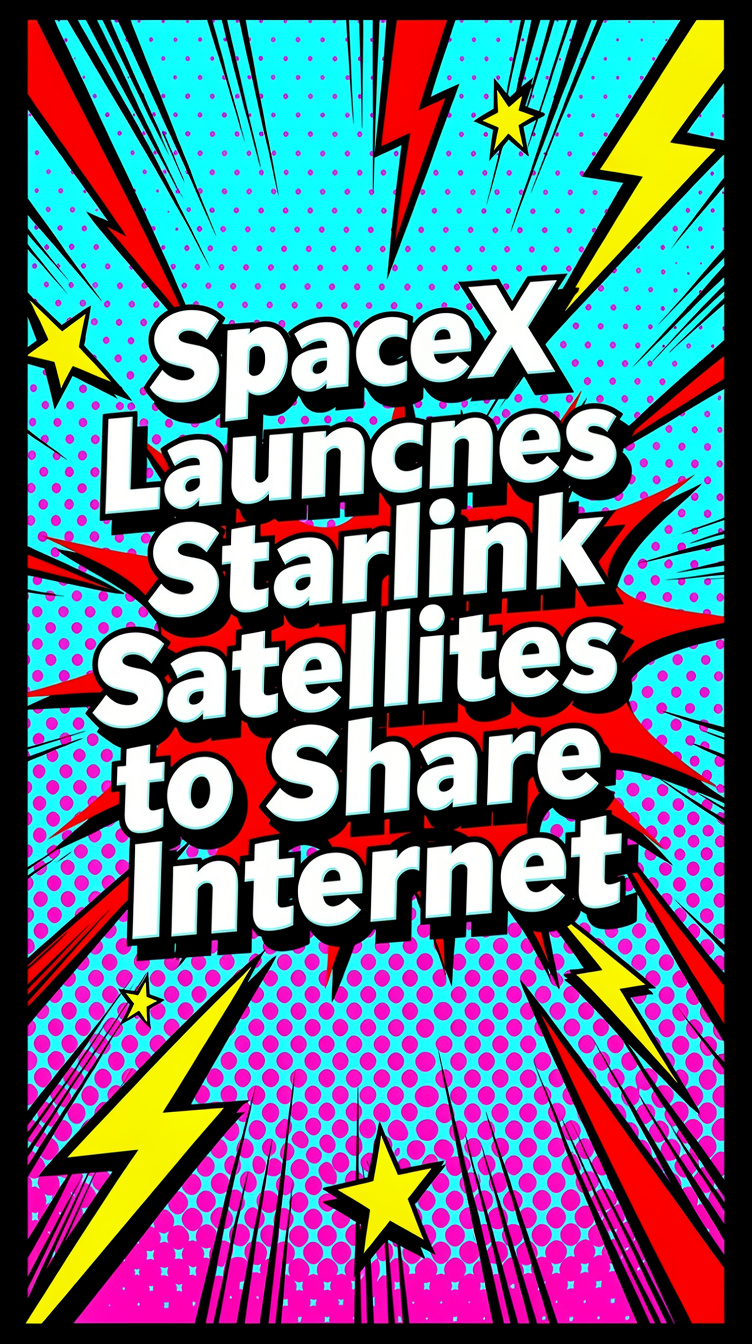
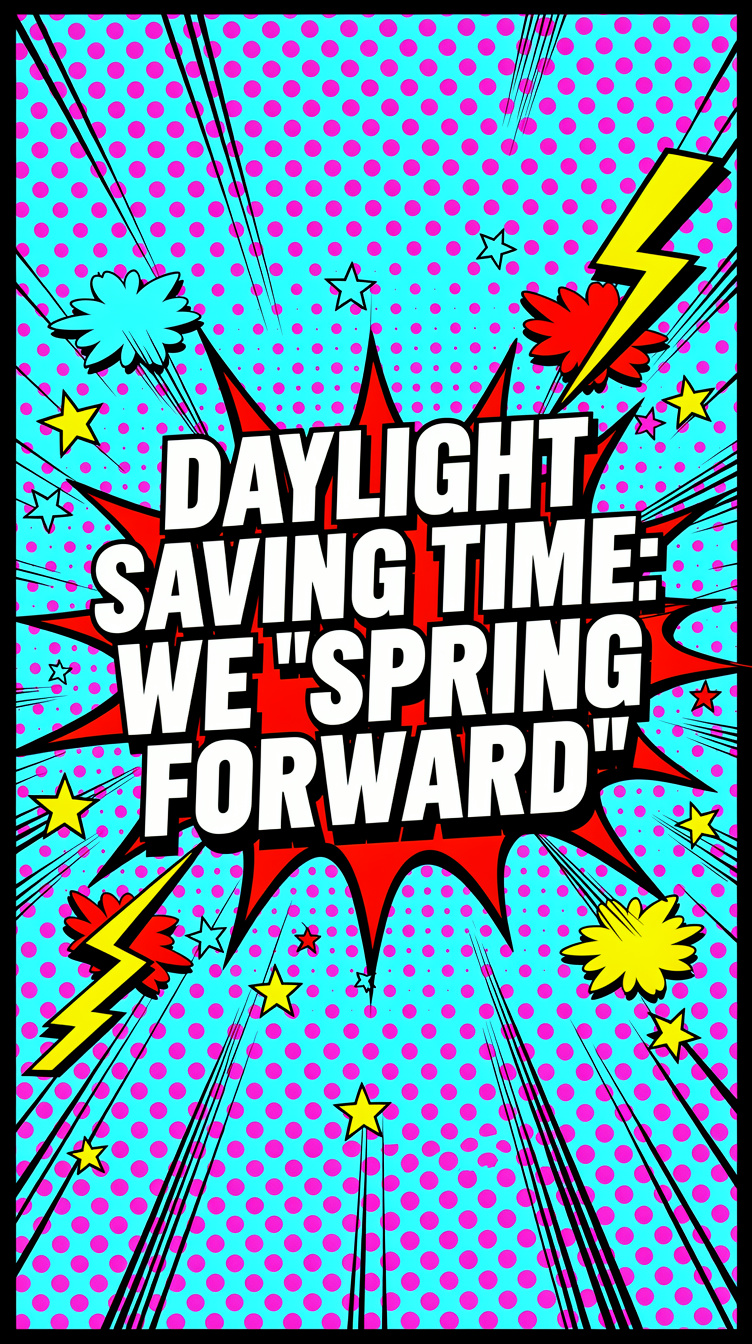
TITLE: Flowers, Rockets, and One Hour of Time Travel! INTRO: Hello, super-thinkers! I’m Big Brain, and welcome to Episode 21. If you don't know the news, you are gonna lose! Today we’ve got a tiny time-jump, a giant flower party, and a rocket delivering internet from space. Let’s go! PARENT CORNER: Today’s stories are all about everyday science and community events—time changes, plants, and satellites. If your child feels extra sleepy after the clock change, that’s normal, and a steady bedtime routine can help. DISCUSSION: ["What’s one place you’d like to have better internet, and why?","If you could design a garden theme, what would it be?"] STORY 1: Daylight Saving Time: We “Spring Forward” Whoa—did you just time-travel… without a spaceship? On Sunday, March 8, most of North America moved clocks forward by one hour at 2:00 a.m. That means the clock jumps ahead, so the day can feel a little different. Here’s the big idea: we didn’t change the Sun. We changed our schedule. Now the Sun seems to set later, which can give you more light in the evening for playing, walking the dog, or just spotting silly cloud shapes. But there’s a twist: mornings can feel darker for a while, and some people feel extra sleepy. Your body has a built-in “sleep clock” called a circadian rhythm. It’s like an invisible timer that likes patterns—sleep, wake, eat, repeat. When the clocks change, your body might say, “Umm… excuse me, why is breakfast happening at a different time?” A helpful trick is getting sunlight in the morning, moving your body a bit, and sticking to your usual bedtime routine. Your brain loves routines almost as much as it loves learning weird new stuff! Visuals: [{"word":"time-travel","visual_prompt":"Create a glossy 3D animated image for a kids' news show: a chunky, toy-like alarm clock wearing a superhero cape and oversized sneakers, leaping through a swirling rainbow time-portal shaped like a donut. The clock’s hands are bendy like licorice. Confetti and soap bubbles trail behind it. A cute cartoon kitten in pajamas is cheering while holding a tiny flashlight. Bright, saturated colors, Pixar-like lighting, playful and cozy mood.","type":"image"},{"word":"2:00","visual_prompt":"Create a vibrant 3D animated scene: a giant digital clock reading 1:59 flips to 3:00 like a goofy magic trick. The numbers pop like springy jelly. A friendly cartoon sun wearing sunglasses slides across the background on a skateboard made of waffle cookies. Glittery stars and bubbles float around. Toy-like textures, high-energy, bright colors.","type":"image"},{"word":"sunset","visual_prompt":"Create a glossy 3D animated image of a late evening backyard: a huge smiling sun slowly dipping behind cotton-candy clouds, painting the sky in bright orange, pink, and purple. Kids' chalk drawings on the ground glow softly. A goofy dog chases a bubble the size of a beach ball. Warm cinematic lighting, playful, not scary.","type":"image"},{"word":"circadian","visual_prompt":"Create a funny 3D animated 'body clock' diagram for kids: a cartoon brain wearing a nightcap points to a circular clock-face made of cereal loops. Tiny icons show sleep (a pillow), breakfast (a banana), and sunshine (a mini sun) moving around the circle like a parade. Glossy toy style, bright colors, friendly educational vibe.","type":"image"}] STORY 2: Philadelphia Flower Show: A Giant Indoor Garden Party Did you know you can walk into a building and feel like you stepped into a jungle, a fairy garden, and a rainbow… all at once? On Sunday, March 8, the 2026 Philadelphia Flower Show wrapped up its final day, and it’s famous for being one of the oldest and biggest indoor flower shows. Imagine rooms filled with flowers, huge plant sculptures, and garden scenes built like movie sets—except everything is alive and growing. Plants aren’t just pretty. They’re busy workers! Leaves can grab sunlight and turn it into energy for the plant. Roots drink water and hold the plant steady, like an anchor. This year’s theme focused on the roots of American gardening, which is a cool reminder that gardens can tell stories. People plant gardens for food, for beauty, and for helping nature. Some flowers invite pollinators—like bees and butterflies—to visit. When pollinators move from flower to flower, they help plants make seeds. That’s like nature’s way of passing notes: “Here’s how we make more plants!” So a flower show isn’t only about looking. It’s about learning how living things grow—and how humans can design spaces that help plants, animals, and people all share the same planet happily. Visuals: [{"word":"indoor","visual_prompt":"Create a glossy 3D animated image: a huge indoor hall transformed into a magical garden. Giant flowers the size of umbrellas, leafy arches like green tunnels, and sparkling puddles that reflect rainbow lights. A cartoon raccoon tour guide holds a tiny map and binoculars. Bright saturated colors, toy-like textures, joyful mood.","type":"image"},{"word":"roots","visual_prompt":"Create a playful 3D animated cutaway scene of a flower: above ground is a bright bloom with a smiley face; below ground is a silly, tangled root system shaped like spaghetti noodles. A tiny worm wears a construction helmet and carries a watering can like a worker. Warm lighting, educational and cute.","type":"image"},{"word":"pollinators","visual_prompt":"Create a vibrant 3D animated scene: a chunky bumblebee with a little backpack labeled 'POLLEN' bounces between candy-colored flowers. A butterfly in a tiny bow tie flutters nearby. The pollen looks like golden glitter puffs. Sunny, saturated colors, comedic, friendly nature vibe.","type":"image"},{"word":"seeds","visual_prompt":"Create a glossy 3D animated image: seeds as tiny characters sliding down a leaf like a playground slide into a soil 'bed' made of chocolatey crumbs (not gross, just cute). A watering can sprays sparkling water droplets like gems. Bright colors, toy aesthetic, cozy and optimistic.","type":"image"}] STORY 3: SpaceX Launches Starlink Satellites to Share Internet Okay, question time: how do you send internet… to a place with no cables? You toss it a helper from space! On Sunday, March 8, 2026, a SpaceX Falcon 9 rocket launched from California carrying 25 Starlink satellites. Satellites are machines that zoom around Earth high above the clouds. They can send and receive signals—kind of like passing super-fast notes. Your device sends information to an antenna on Earth, then a satellite can help bounce that information across long distances, especially to places where it’s hard to build lots of wires. Now, a rocket launch is like a super-strong push to get up into space. Earth’s gravity is like a giant invisible hug that won’t let go easily. Rockets use powerful engines to lift heavy stuff—like satellites—up, up, up. After the satellites are released, they spread out and begin their jobs, flying in patterns like a team of synchronized swimmers—except in space. Why do people care? Because internet helps with learning, talking to family, and sharing information. It can help schools, ships at sea, and faraway towns connect. Space helpers + Earth teamwork = more ways to communicate across our big, busy planet. Visuals: [{"word":"rocket","visual_prompt":"Create a glossy, high-energy 3D animated image: a goofy rocket made from a giant shiny soda can labeled 'ZOOM JUICE' blasting off with confetti and bubble exhaust instead of fire. The launchpad is made of colorful toy building blocks. A cartoon hamster astronaut waves from a window wearing huge goggles. Bright saturated colors, cinematic lighting, funny and exciting.","type":"image"},{"word":"satellites","visual_prompt":"Create a vibrant 3D animated space scene: a chain of cute, toy-like mini satellites shaped like lunchboxes with solar-panel 'wings' flapping like bird wings. They orbit Earth, which looks like a glossy marble with sparkling clouds. A friendly star character holds a clipboard like a coach. Bright, playful, not scary.","type":"image"},{"word":"signals","visual_prompt":"Create a fun 3D animated image: colorful signal beams like rainbow ribbons bouncing from a phone to a ground antenna shaped like an ice-cream scoop, then up to a satellite. The beams carry tiny envelope icons and music notes. Glossy toy textures, bright colors, clear and educational.","type":"image"},{"word":"gravity","visual_prompt":"Create a playful 3D animated illustration: Earth as a smiling magnet gently 'hugging' a rocket with stretchy invisible bands labeled 'GRAVITY' in big friendly letters. The rocket tugs upward like a balloon on a string. Confetti sparkles in the background. Bright colors, friendly science vibe.","type":"image"}] OUTRO: Today we hopped one hour ahead, wandered through a mega-garden indoors, and watched space helpers bring internet to more places. Keep those neurons firing! See you next time!

Raise a Future-Ready Kid

Join smart parents who start their kids' day with news that matters. Get bite-sized stories that spark curiosity and conversation—delivered straight to you.

No spam. Unsubscribe anytime.